Two things I came across this year about AI and leverage have been especially inspiring.
Hyung Won Chung, in his Cornell lecture on AI history: AI is the greatest source of leverage of our time.
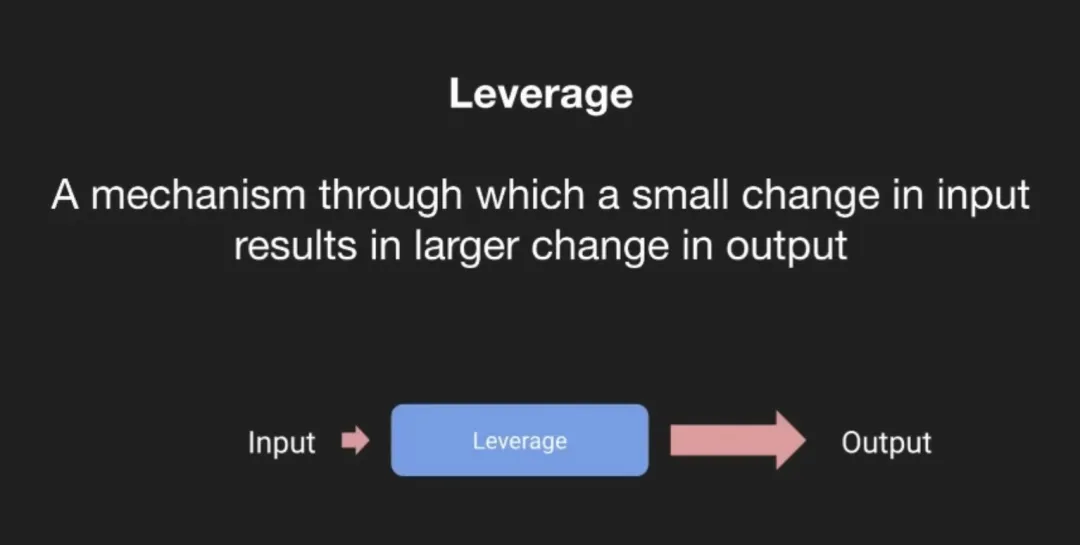
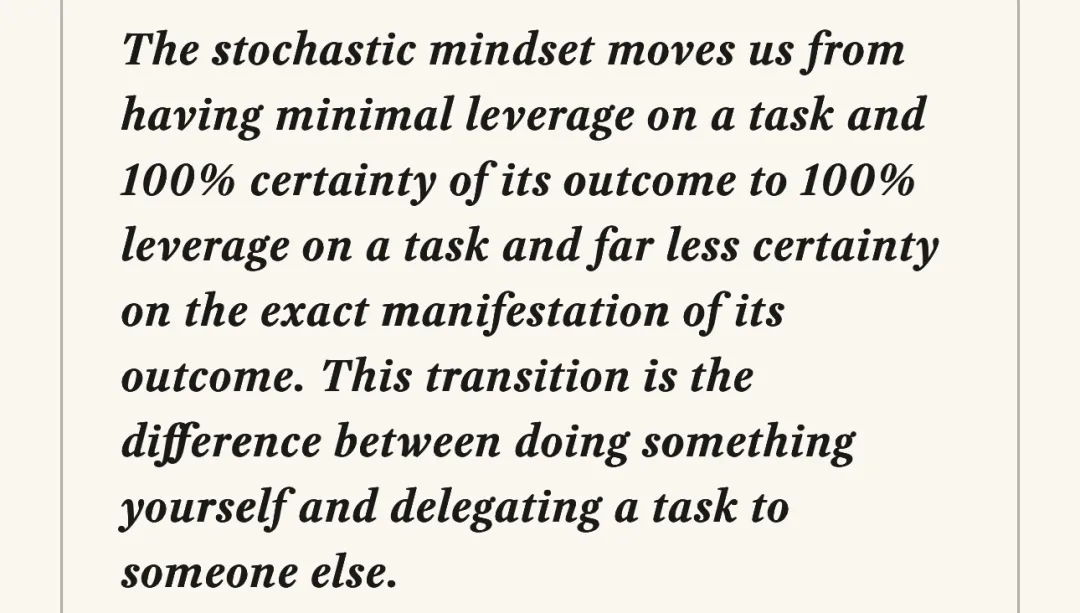
Konstantine Buhler, in “The Stochastic Mindset”: model outputs are highly uncertain, and the way to counter that uncertainty is to leverage the input.
I
An output can be a single task, or the mission of a person or a company.
The ideal: what we do in VC is help create the better future we envision. In the past, venture capital used startups as leverage; now startups can use AI as leverage in turn. Put those together, and doing VC in this era might really give us a lever long enough to move the Earth!
The reality: so far, only OpenAI’s deep research has given me that feeling of leverage.
II
From the perspective of a reasoning model or an agent, context determines the final output. The inference scaling law tells us that providing more reasoning traces can improve outputs; for end-to-end RL agents, trajectory data also serves as context that helps with the final result.
Two things about this strike me:
- When a model encounters negative feedback, it does not stop. It records that feedback as important context and keeps exploring in another direction, because what really drives it is reaching the ultimate goal.
- Negative feedback during reasoning does not dampen a model’s mood or its willingness to keep exploring. It does not give up and stop trying. That is pretty damn impressive.
Startups, VC firms, and research labs also face enormous uncertainty. For us, as people with feelings, learning to become as accustomed to negative feedback as a model is an important ability.
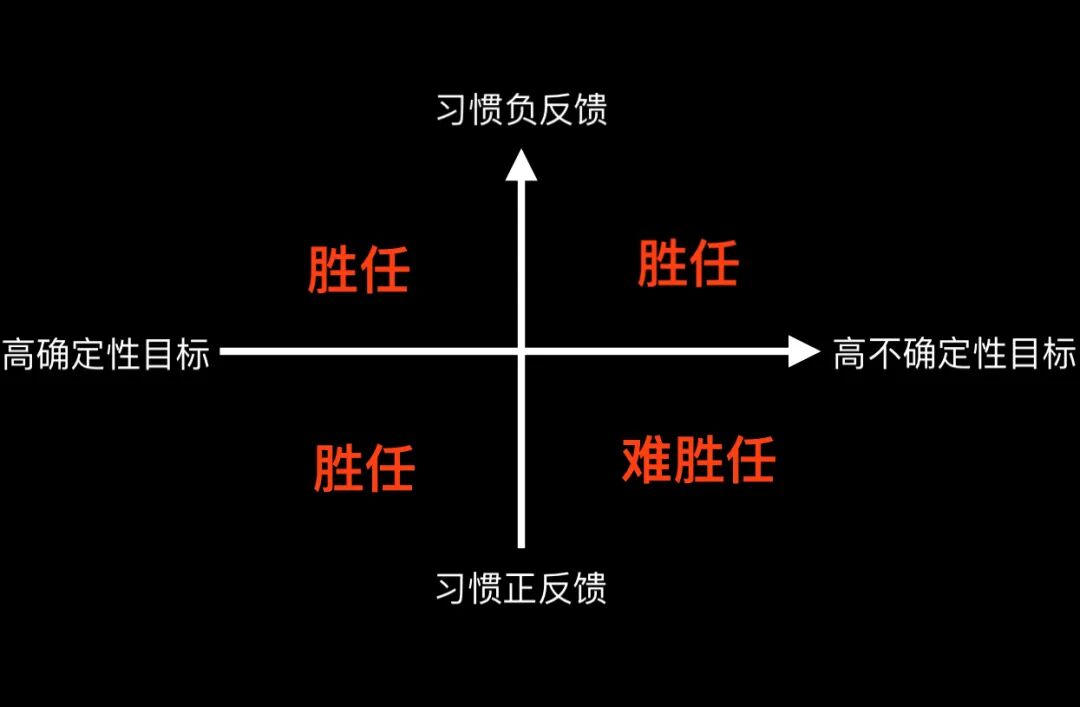
So, on one hand, I need to remind myself intellectually that every piece of negative feedback is important context for reaching the ultimate goal. On the other, I also need to cultivate equanimity.
III
For an agent, more context is not always better: its quality matters more. At the same time, the cost of an agent making a mistake in an RL environment is only tokens and time, far less than the cost of a person making a mistake in the real world. In investing, then, what matters is ensuring the quality of the context behind every decision: choosing the right evaluation dimensions, doing the evals well, and recording them. This is far more data-efficient for training one’s investment model than blindly making more investments.