【内含33号远征队轻微剧透】
玩完33号远征队很开心,有一些思考。
第一章
视频和3D模型最近有越来越多的world model出现,可以实时交互生成的游戏世界已经临近了,同时从另一方面来讲,文字和图像模态已经技术成熟,已经有了不少“玩家”在文字和图像的canvas中找到他们需要的东西。
现有内容的交互成本极高,也导致进入画中世界的玩家有许多在现实世界中和Alicia一样面临着各种痛苦,无论是来自自己还是来自于与其他人的关系,最终在画中世界都可以成为梦想中的Maelle,为了回避现实世界的痛苦并体验到理想世界的感觉,常人看来难以理解的极高的交互成本也算不上什么了。
这个时间点体验完33号远征队的确给了我很大的触动,游戏结局大家都有不一样的解读,我认为游戏的设定让这个故事就不存在一个happy ending。但更重要的是我们可能也正处在类似于Aline入画麻痹自己的元年,当每个人都拥有自己的canvas之后,画外的世界会如何变化?
第二章
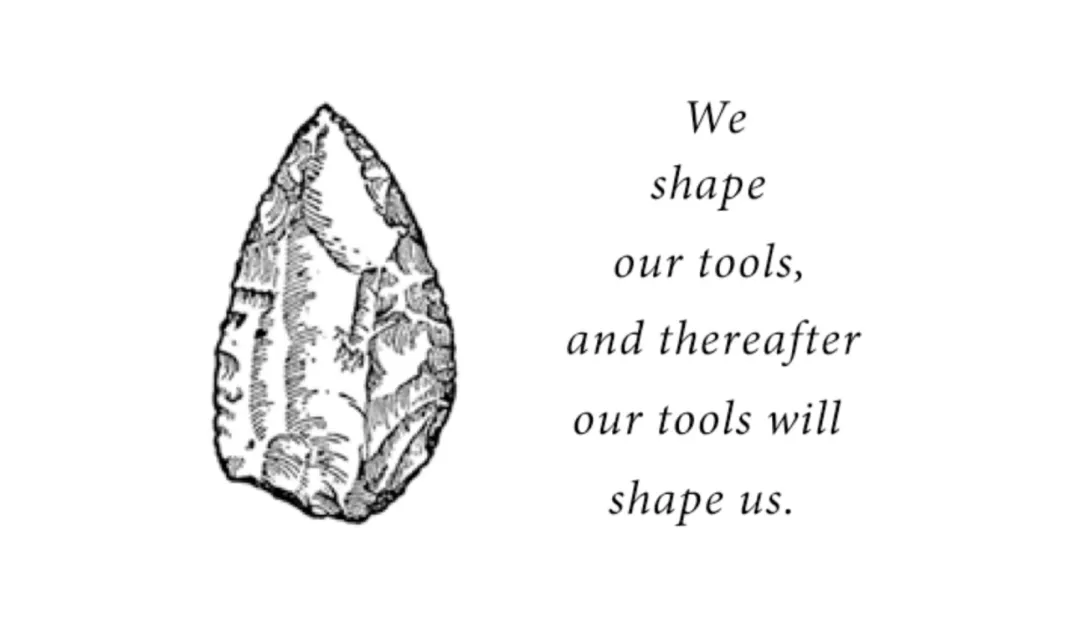
媒介拥有反向改变人的魔力,而且是在潜移默化之中完成的。过去20年社交媒体和内容媒体对我们的改变已经有越来越多的反噬,Netflix的纪录片The social dilemma集中呈现出了一个反面视角的集合体,但问题是它来的太晚了,影响力也太微弱了,创造这样产品的“精英人士”能意识到问题的严重性并远离,但大多数普通人不具备这样的能力。
从一个让人沉迷的世界撤离是一件特别难的事情,小时候父母让我们不要沉迷游戏,游戏中一家人相继沉沦在画中。游戏包括抖音这样的产品设计的过程中就包含了各种上瘾的设计在利用人性的弱点。
那这一次AI会如何利用人性的弱点?
第三章
上一个时代是信息,情感是我认为这一次AI对人将产生最大影响的领域。
玩33号远征队前我一直认为,情感陪伴是很重要又危险的领域,原因是AI提供的情感的茧房会让我们沉迷于低成本易得的情绪价值,但现实世界的情感是流动的,某种程度上我们希望获得情绪价值是需要我们用我们的同理心理解对方并付出感情,但AI打破了这种平衡后,情感的流动变成单向了。带来的结果就是同理心在这个时代或许会变得越来越稀缺,同理心稀缺会导致冲突难以解决,战争难以平复。
玩完游戏后Alicia给我补充了一个特别重要的视角,人的痛苦不止来源于和他人的关系,很多时候也来自于我们自己,来源于讨厌现实世界中不完美的自己。
过去20年间我们在创建产品的时候并没有太多地考虑它们会将人类塑造成什么样子,现在我们看到了一个不太愉快的结果,越来越多的人被AI困进了信息的茧房,未来20年已经来了,这次AI会将更多人困入情感的茧房。
第四章
基于以上思考,AI的时代已然来临,作为个体我觉得重要的是三件事情:
1.找到自己的人生使命或者意义;
2.培养自己的同理心,练习在现实世界解决冲突的能力。对年轻人来讲进入一段亲密关系或许是提升同理心最好的方式;
3.解决自己内心的痛苦,中国哲学提供了很多的方法,前提是有足够的人生经历作为反思素材。
人类变得更糟糕的趋势真的是不可避免的吗?游戏里面被抹煞也似乎是从纪石有数字以来的铁律,改变结局的只是一句在远征队员心中的话:
For those who come after.
为什么我们不可以呢。
Contains mild spoilers for Clair Obscur: Expedition 33.
I was very happy after finishing Expedition 33, and it left me with a few thoughts.
Chapter One
More and more world models for video and 3D have appeared recently. Game worlds that can be generated and interacted with in real time are getting close. Meanwhile, text and image modalities are already technologically mature, and quite a few “players” have already found what they need in canvases made of text and images.
The interaction costs of existing content are extremely high, so many of the players who do enter these painted worlds are people who, like Alicia, face all kinds of pain in reality, whether it comes from within themselves or from their relationships with others. In a painted world, each can ultimately become the Maelle they dream of being. If it lets them escape the pain of reality and experience the feeling of an ideal world, then even interaction costs that seem incomprehensibly high to an outsider no longer count for much.
Playing Expedition 33 at this particular moment deeply affected me. Everyone has a different reading of its endings; I think the premise of the game makes a happy ending impossible. More importantly, though, we may be at the very beginning of an era much like Aline entering the painting to numb herself. Once everyone has their own canvas, how will the world outside the painting change?
Chapter Two
Media have the magical power to reshape the people who use them, and they do so imperceptibly. Over the past twenty years, the ways social media and content platforms have changed us have increasingly come back to haunt us. Netflix’s documentary The Social Dilemma brings together a collection of critical perspectives, but it came too late and had too little influence. The “elites” who create these products may be able to recognize the severity of the problem and keep their distance, but most ordinary people do not have that ability.
Leaving an addictive world is exceptionally difficult. When we were children, our parents told us not to get addicted to games; in this game, the members of a family become consumed by the painting one after another. Games and products such as Douyin are designed with all kinds of addictive mechanisms that exploit human weaknesses.
How will AI exploit those weaknesses this time?
Chapter Three
The previous era was about information. This time, I believe emotions are where AI will have its greatest impact on people.
Before playing Expedition 33, I had always considered emotional companionship to be both important and dangerous. The emotional cocoons AI provides can make us addicted to cheap, readily available emotional support. But emotions in the real world flow between people. To some extent, receiving emotional support requires us to empathize with another person, understand them and invest our own feelings. Once AI disrupts that balance, the flow of emotion becomes one-way. As a result, empathy may grow increasingly scarce in this era, making conflicts harder to resolve and wars harder to bring to an end.
After I finished the game, Alicia gave me another particularly important perspective: our pain does not come only from relationships with others. Often it comes from ourselves, from disliking our imperfect selves in the real world.
Over the past twenty years, when creating products, we gave little thought to the kind of people they would shape us into. Now we are seeing an unhappy result: more and more people are being trapped by AI in information cocoons. The next twenty years have already arrived. This time, AI will trap more people in emotional cocoons.
Chapter Four
In light of these thoughts, with the AI era already upon us, I think three things matter for us as individuals:
- Find a mission or a sense of meaning in our lives.
- Cultivate empathy and practice resolving conflicts in the real world. For young people, entering an intimate relationship may be the best way to develop empathy.
- Work through our inner pain. Chinese philosophy offers many approaches, provided we have enough life experience to draw on and reflect upon.
Is the trend toward humanity becoming worse truly inevitable? In the game, the Gommage also seems to have been an iron law ever since numbers first appeared on the Monolith. All it took to change the ending was a single line held in the hearts of the expeditioners:
For those who come after.
Why can’t we do the same?