今年有两个关于AI和leverage的信息输入启发很大。
Cornell AI history lecture, Hyung Won Chung : AI是这个时代最大的杠杆;
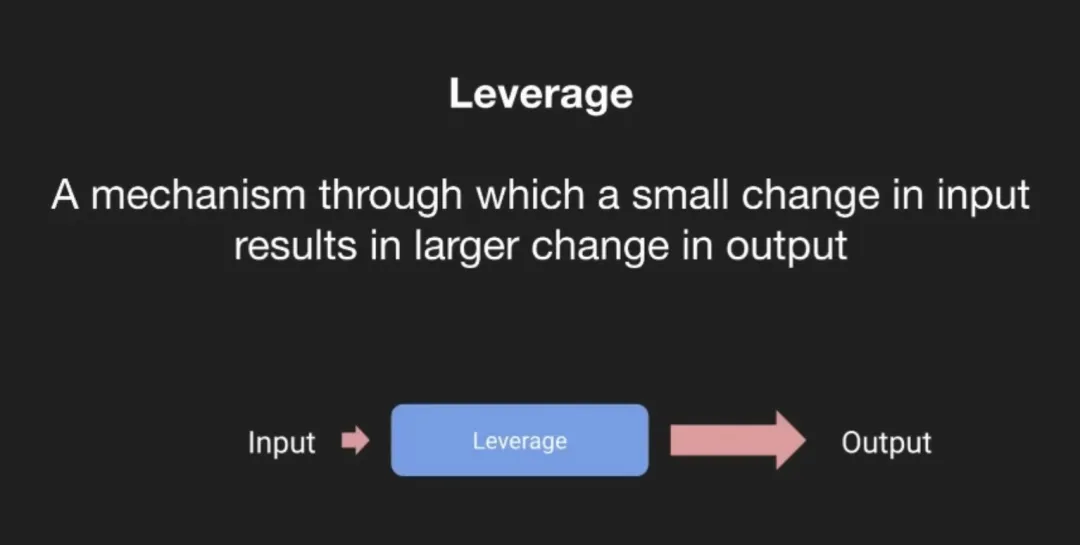
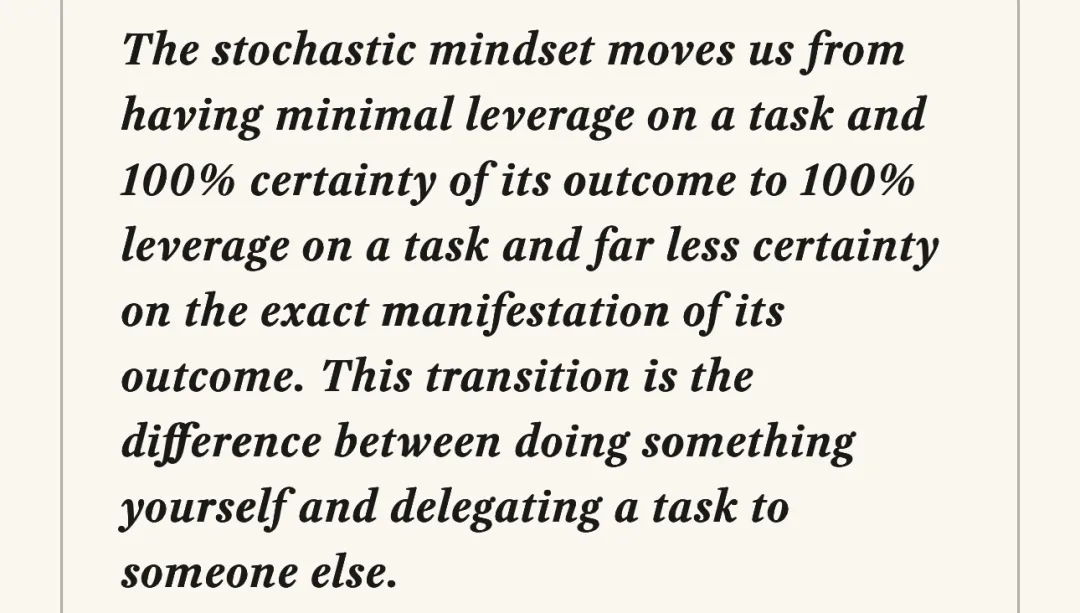
The Stochastic Mindset, Konstantine Buhler : 模型输出有很强的不确定性,对抗不确定性的方式是leverage input。
【一】
output既可以是单一的task也是每个人或者公司的使命。
理想是:vc在做的就是创造心中更美好的未来,过去vc以创业公司为杠杆,现在创业公司可以再以ai为杠杆,叠加起来,在这个时代做vc能撬动的可能真是一个地球!
现实是:目前只有OpenAI deep research让我体验到leverage的感觉。
【二】
从推理模型或agent的角度来看,context决定了最后的输出:inference scaling law告诉我们提供更多的reasoning traces可以提升输出;端到端RL agent中的trajectory data作为context也对输出最终结果有帮助。
这件事对我有两个启发:
1.模型遇到负反馈后不会停止而是会把它作为重要的context记录下来,换个方向继续探索,因为真正驱动模型的是完成最终的目标;
2.模型在推理过程中遇到负反馈不会影响它继续探索的心情,他不会摆烂,这太牛逼了。
创业、vc、research lab面对的也是高度不确定性,作为拥有心的人能做到像模型一样习惯于负反馈是一种很重要的能力。
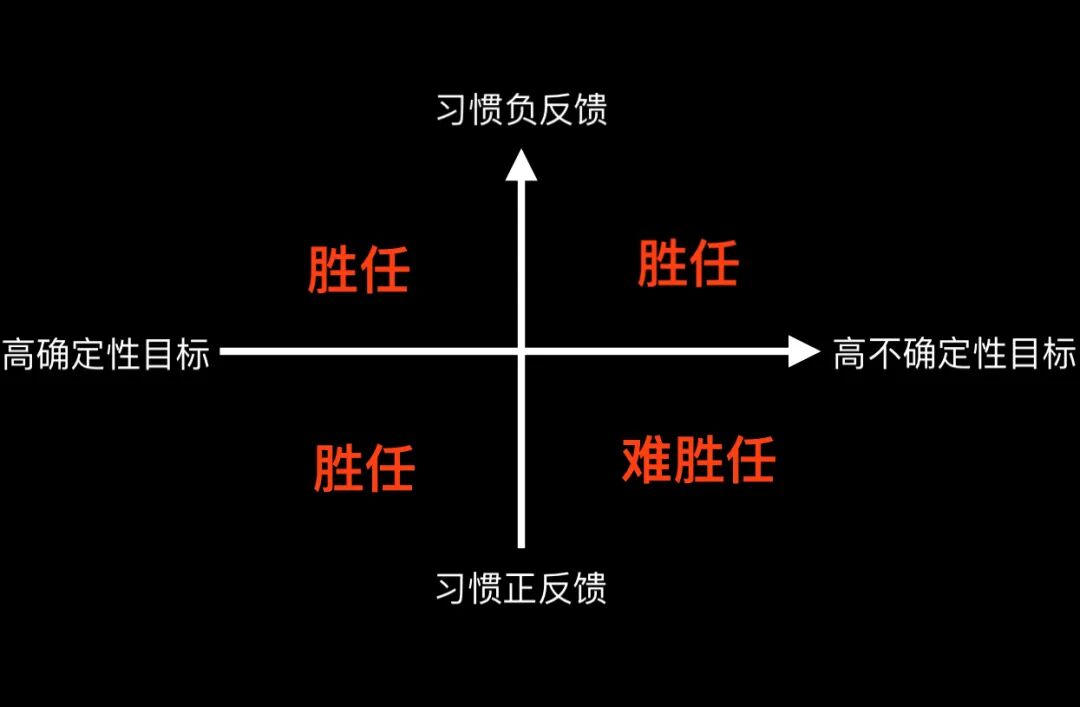
所以一方面脑子得告诉自己,所有的负反馈都是完成最终目标重要的context,一方面也需要修炼自己的平常心。
【三】
对agent来讲context并不是越多越好,context的质量更重要。同时agent在RL environment中犯错的成本只是token和时间,比人在现实世界犯错成本低太多,所以对投资来讲,重要的是保证每一次决策的context质量:选好评估维度、做好eval并记录下来,这比盲目多出手来训练投资模型的data efficiency高很多。
Two things I came across this year about AI and leverage have been especially inspiring.
Hyung Won Chung, in his Cornell lecture on AI history: AI is the greatest source of leverage of our time.
Konstantine Buhler, in “The Stochastic Mindset”: model outputs are highly uncertain, and the way to counter that uncertainty is to leverage the input.
I
An output can be a single task, or the mission of a person or a company.
The ideal: what we do in VC is help create the better future we envision. In the past, venture capital used startups as leverage; now startups can use AI as leverage in turn. Put those together, and doing VC in this era might really give us a lever long enough to move the Earth!
The reality: so far, only OpenAI’s deep research has given me that feeling of leverage.
II
From the perspective of a reasoning model or an agent, context determines the final output. The inference scaling law tells us that providing more reasoning traces can improve outputs; for end-to-end RL agents, trajectory data also serves as context that helps with the final result.
Two things about this strike me:
- When a model encounters negative feedback, it does not stop. It records that feedback as important context and keeps exploring in another direction, because what really drives it is reaching the ultimate goal.
- Negative feedback during reasoning does not dampen a model’s mood or its willingness to keep exploring. It does not give up and stop trying. That is pretty damn impressive.
Startups, VC firms, and research labs also face enormous uncertainty. For us, as people with feelings, learning to become as accustomed to negative feedback as a model is an important ability.
So, on one hand, I need to remind myself intellectually that every piece of negative feedback is important context for reaching the ultimate goal. On the other, I also need to cultivate equanimity.
III
For an agent, more context is not always better: its quality matters more. At the same time, the cost of an agent making a mistake in an RL environment is only tokens and time, far less than the cost of a person making a mistake in the real world. In investing, then, what matters is ensuring the quality of the context behind every decision: choosing the right evaluation dimensions, doing the evals well, and recording them. This is far more data-efficient for training one’s investment model than blindly making more investments.